
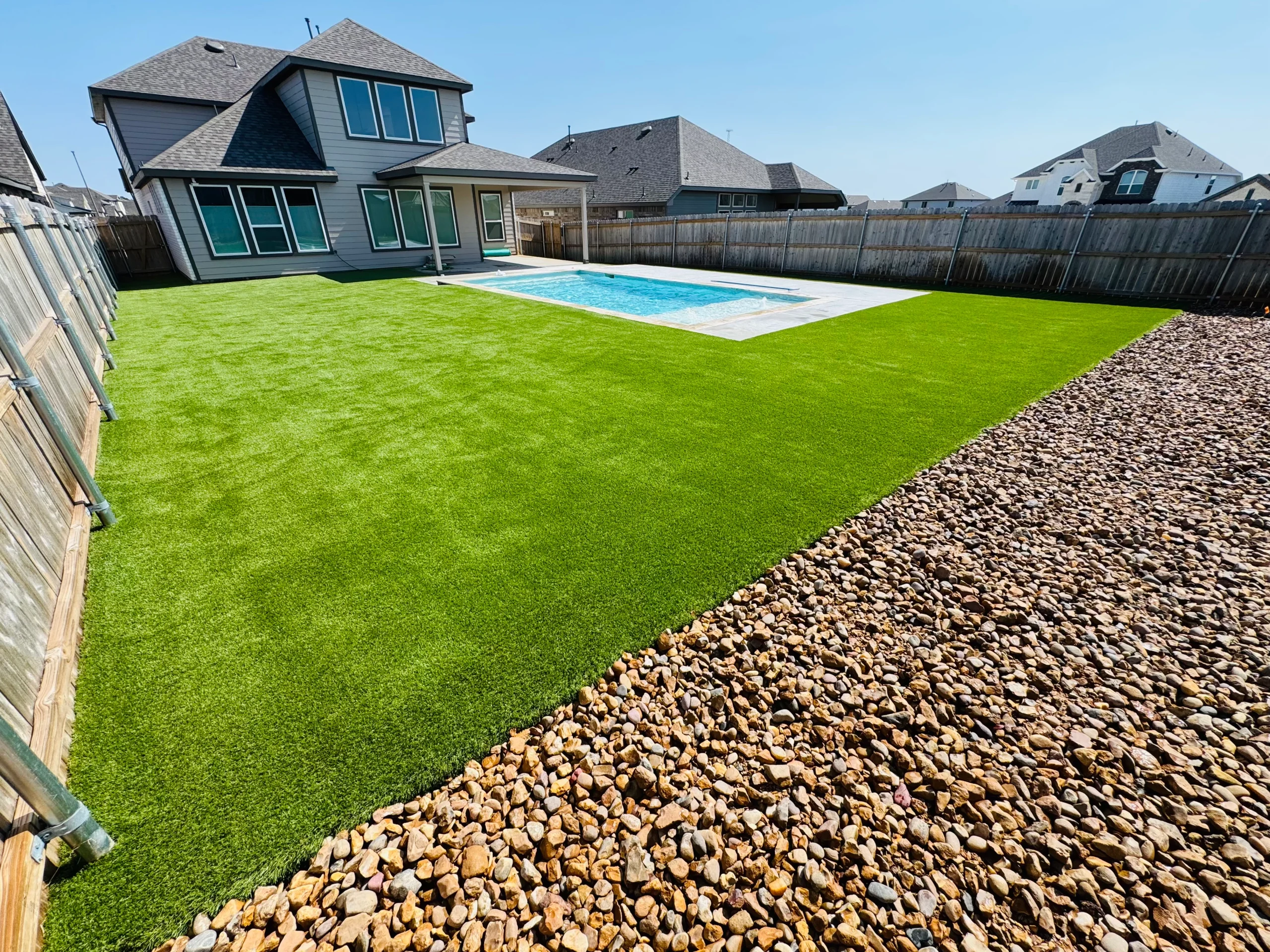
Tampa artificial grass has become a go-to solution for transforming outdoor spaces into consistent, low-maintenance environments that stand up to changing weather, heavy use, and varying soil conditions. At SYNLawn, we’ve found that many customers begin their turf journey by comparing fiber softness, color blends, or pile height—yet the factor that ultimately determines long-term satisfaction is installation quality. The most advanced turf will only reach its potential when installed with the right techniques beneath the surface.
Our approach is shaped by decades of experience in warm climates, uneven soil conditions, and mixed-use environments. We understand that appearance matters, but performance matters just as much. Proper installation helps the turf remain visually attractive, safe, and durable.
Installation: The Hidden Structure Behind Every Great Lawn
While turf technology has advanced dramatically, installation remains the foundation of performance. When we speak with property owners interested in Tampa artificial turf, we explain that installation isn’t one step—it’s a full system. It involves excavation, base preparation, compaction, water management, panel alignment, seaming, infill, brushing, and final grooming.
Every layer is intentional. One choice affects the next. When everything is built as a system, the final surface behaves like a permanent feature of your landscape—not a temporary ground cover. Done correctly, turf drains fast, won’t wrinkle after heat, stays smooth, and looks natural year-round.
Building a Stable Base Beneath the Surface
The base is the true support structure for any turf installation. Before any rolls of artificial grass are introduced, we excavate the area to create space for a stable base layer. This removes soft soil pockets, roots, and materials that could shift once moisture or pressure is applied.
After excavation, we install and compact a base material designed to form a firm platform. This compaction is critical. A correctly compacted base resists settling, prevents dips, and supports the turf above it. Without strong compaction, the surface can develop soft spots underfoot, especially near pathways, outdoor furniture, or active areas.
This is one reason we stress professional installation: compaction methods and base depth are the difference between a surface that holds up for years and one that needs repairs. With a stable foundation, Tampa synthetic grass feels solid and balanced, even when used daily.
Designing the Turf System for Tampa’s Climate
Tampa’s climate includes intense sun, seasonal rain, humidity, and coastal moisture patterns. A turf system must be designed to handle all of these conditions. Proper drainage keeps the lawn usable after storms, prevents odors, and helps the surface dry faster.
We build drainage into both the base composition and the turf backing itself. Water should move downward quickly—not pool on the surface or soak into soft soil pockets. When drainage is correct, the surface stays fresher, more comfortable, and easier to maintain.
Whether a space is used for relaxation, gathering, pets, family activities, or business settings, engineered drainage makes artificial turf feel dependable and ready to use.
Seam Location and Fiber Alignment
The visual realism of turf often comes down to small details that many people never think about. Seam placement is an essential part of that realism. Instead of focusing only on the edges, we evaluate the entire layout, including how panel direction affects shading and appearance.
Alignment ensures that the turf fibers point in the same direction, giving a smooth, unified look. Seams are cut from the backing side to preserve fiber integrity, then bonded using turf-specific adhesive systems. Weight is added during curing to create a secure bond.
Once complete, the seam disappears into the design. With brushing and infill support, the entire installation looks continuous. These details are the difference between a lawn that looks truly natural and one that shows visible lines.
Infill: The Layer That Supports Fiber Performance
Infill is a crucial layer that helps turf stay upright, protected, and comfortable. We apply infill based on the needs of the space. Areas with more activity often receive more infill to support long-term fiber strength.
Infill protects the turf backing from UV exposure, adds weight that resists movement, and helps blades stand upright. After infill is installed, brushing distributes it evenly and lifts the fibers. That brushing process is when synthetic grass gains the texture and volume that make it feel lifelike.
Infill isn’t optional—it’s what turns turf into a usable surface rather than a flat mat.
Risks of Poor Installation
Many turf failures are caused not by product issues, but by shortcuts during installation. Over time, these shortcuts become visible:
- Seams lifting or separating
- Wrinkles showing after heat exposure
- Standing water after rainfall
- Soft spots are developing beneath traffic paths
- Surface odor from trapped moisture
- Uneven areas forming in the base layer
Fixing these issues often requires removing turf and rebuilding the base beneath it. That’s more costly than choosing the correct installation from the start.
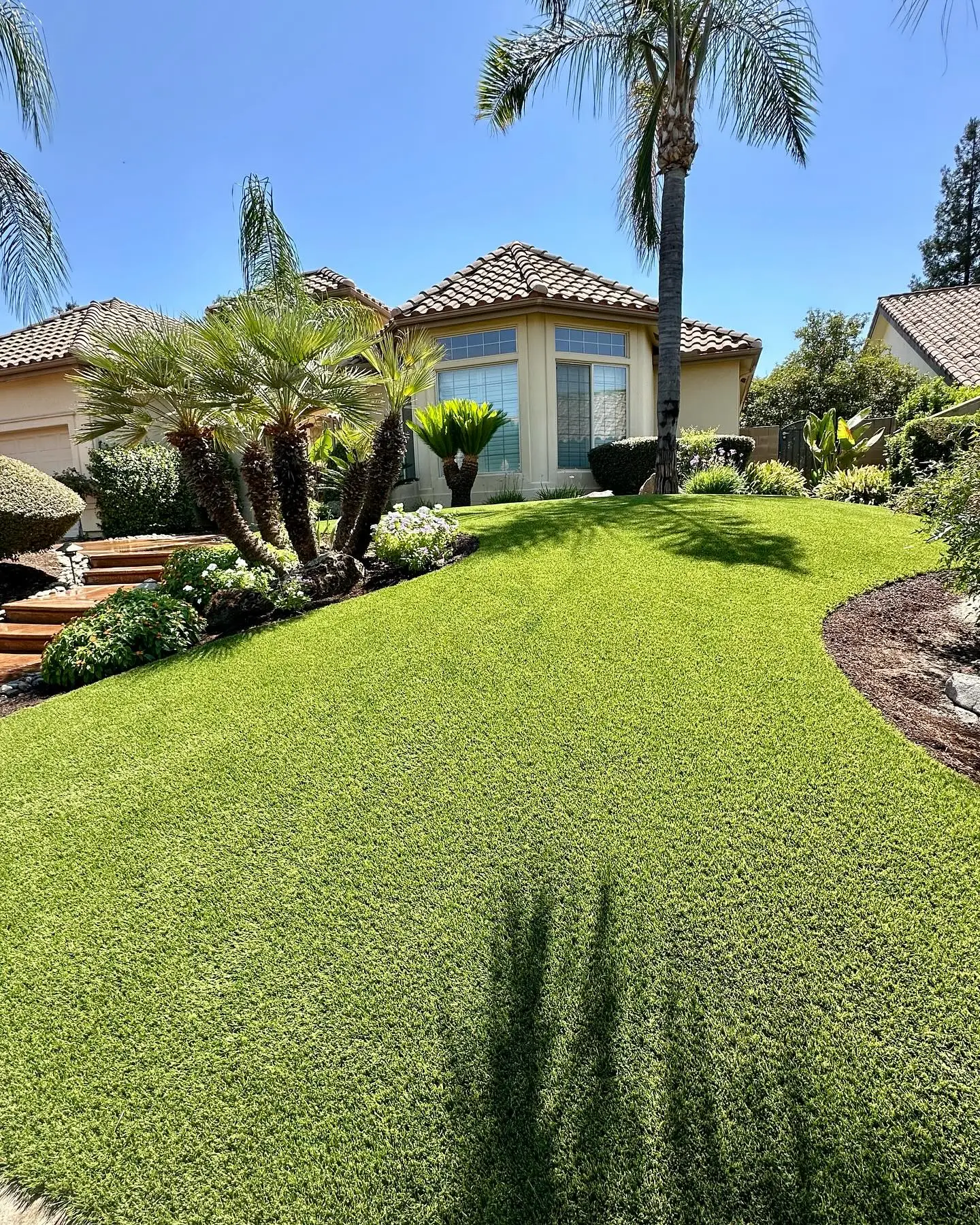
When installation follows proven methods, Tampa synthetic turf stays stable, drains efficiently, and maintains a realistic appearance for years.
Why SYNLawn’s Method Creates Better Results
SYNLawn installations are built around craftsmanship, engineering, and climate-aware planning. We design turf systems to support real-world use—sun exposure, seasonal moisture, daily movement, shade patterns, and outdoor living.
We approach installation as a complete system. Base depth, compaction tools, drainage planning, seam layout, and infill techniques—all of these choices affect lifetime performance. Whether the space is large or small, simple or detailed, our standards stay consistent.
That’s how artificial turf becomes a reliable surface that feels natural and continues delivering value long after installation day.
Choosing the Right Installation Partner
When comparing installers, ask targeted questions:
- How deep do you excavate?
- What compaction equipment is used?
- How are seams placed and bonded?
- What drainage method is designed into the base?
- How is infill applied and distributed?
At SYNLawn, our goal is to build surfaces you can trust—for daily life, regular activity, and long-term enjoyment. Installation is the difference between a surface that lasts and a surface that looks tired after a season. When the system beneath the turf is designed correctly, everything above it performs beautifully.
The right techniques make outdoor spaces more usable, more comfortable, and more consistent all year round. When that system is in place, the benefits of Tampa artificial grass become part of everyday living.